Add Row
Add Element
peachy healthy living
update
Peachy Healthy Living
update
Add Element
  • Home
  • Discover
    • Peachy News
    • Food
    • Wellness
    • Lifestyle
    • Intimacy
    • Featured
    • Video
March 22.2026
3 Minutes Read

Unlocking the Benefits of Collagen-Rich Foods for Active Seniors

Important collagen-rich food for seniors in bold text.

Discovering the Power of Collagen-Rich Foods for Seniors

As we age, maintaining mobility and joint health becomes increasingly essential. For those over 60, the challenges associated with leg swelling and stiff joints can feel overwhelming. Luckily, the solution may lie in our kitchens. In this enlightening exploration, we're diving into the wonders of collagen-rich foods that not only aid in reducing leg swelling but also significantly bolster joint strength.

In 'Over 60? 7 Collagen-Rich Foods to Reduce Leg Swelling and Strengthen Joints', the focus on dietary choices for seniors led to a deeper investigation of how nutrition directly impacts aging and mobility.

The Role of Collagen in Aging

Collagen is a crucial protein in our bodies that supports skin, joints, and overall structure. As we age, collagen production declines, leading to uncomfortable stiffness and swelling. This is particularly relevant in Metro Atlanta, where many residents are actively seeking natural solutions to maintain vitality. Incorporating collagen-rich foods into your diet could provide a gentle, preventive approach as aging takes place.

Top Collagen-Rich Foods to Consider

Here, we'll unveil seven collagen-boosting foods that are not only nutritious but also delicious and easy to prepare:

  • Bone Broth: Rich in gelatin, bone broth is a powerhouse of collagen that can be enjoyed in soups.
  • Chicken Skin: Often neglected, chicken skin can add flavor and nourishment to your meals.
  • Fish: Fatty fish like salmon not only contain omega-3 fatty acids but also collagen-building properties.
  • Eggs: The membranes found in eggshells are rich in collagen and can be easily incorporated into various recipes.
  • Nuts and Seeds: These are excellent sources of vitamin E and zinc, which stimulate collagen production.
  • Dark Leafy Greens: Spinach and kale are rich in nutrients that support collagen synthesis.
  • Fruits: Berries, such as strawberries and blueberries, provide antioxidants that protect collagen from damage.

Embracing Simple Habits for Healthier Living

Incorporating these foods into your daily meals doesn't require complicated hacks. The goal is simply about consistency and gradual change. Mixing fresh greens into your lunch or opting for fish a couple of times a week can set you on the right track. These food choices work in tandem with an overall commitment to hydration and physical activity, which are both crucial as joints age.

Real Stories of Transformation

Meet Linda, 67, from Metro Atlanta, who transformed her joint health journey. After incorporating collagen-rich foods into her diet, she noticed a significant reduction in swelling and improved mobility. "Just adding bone broth to my soups made a world of difference! I feel younger and more active, like I can keep up with my grandkids!" This personal touch illustrates how practical changes can yield remarkable results.

Future Insights: A Nutritious Aging Journey

As we move forward, it's essential to focus on nutrition not just as a reactive measure, but as a proactive approach to aging gracefully. Being aware of what we consume gives us the power to influence our health positively. With the rising awareness around plant-based diets, individuals can explore alternatives to animal-based collagen-rich foods that also contribute to joint health.

Taking Action: Your Steps Toward Healthier Aging

Are you ready to take charge of your joint health? Adding these collagen-rich foods to your diet can support your joints' integrity and reduce discomfort. It's not just about managing symptoms when they arise; it's about crafting a lifestyle that prioritizes nourishment and care for your body.

To discover more tips on senior health, from recipes to lifestyle changes, make sure to engage with our community and stay informed. Let’s make aging a healthier, happier journey together!

Wellness

0 Comments

Write A Comment

*
*
Please complete the captcha to submit your comment.
Related Posts All Posts
03.22.2026

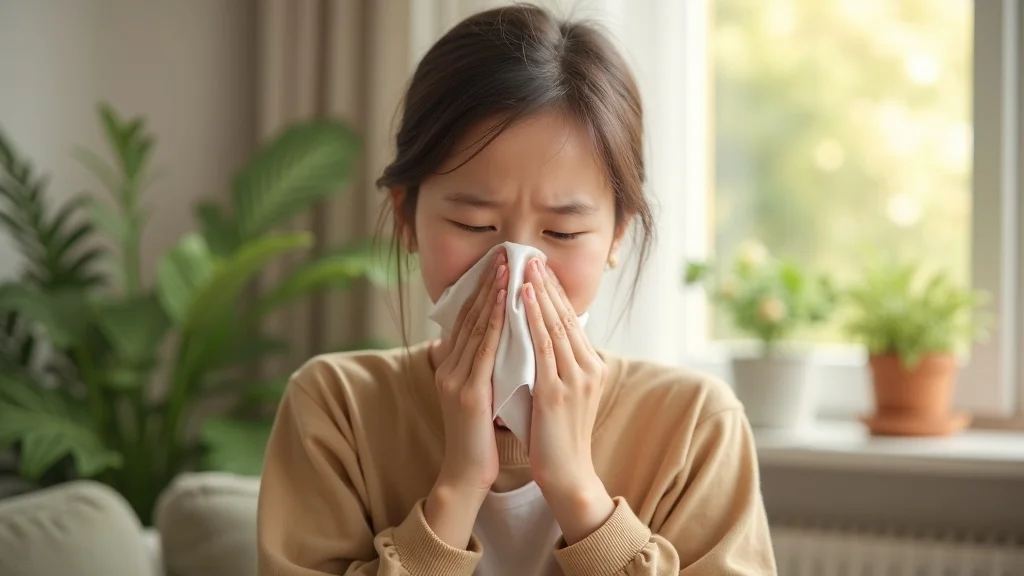
Atlanta's Allergy Problem Is Real — Here's What Natural Relief Looks Like for Local Sufferers

Did you know that Atlanta routinely ranks as one of the worst cities for allergies in the United States? If you’re one of the countless Atlanta residents bracing for the next wave of pollen or battling relentless allergic rhinitis, you’re not alone—natural allergy relief could be a game-changer this season, offering fast, holistic help and lasting comfort.Startling Facts about Atlanta Seasonal Allergies and the Need for Natural Allergy ReliefEvery spring, Atlanta turns into a pollen epicenter. The city’s lush greenery, plentiful flowering plants, and unique climate combine to create intense spikes in pollen count during allergy season, impacting allergy sufferers citywide.According to leading experts, many traditional medications for allergic rhinitis provide only temporary comfort and can sometimes bring unwanted side effects.As a result, an increasing number of Atlanta residents are seeking natural allergy relief to battle ongoing symptoms without compromising their overall well-being.Natural and home remedies not only target allergy symptoms but support a holistic approach to long-term wellness, helping to reduce allergy symptoms in ways that align with your lifestyle.“Atlanta consistently ranks as one of the most challenging cities for allergy sufferers in the U.S.” — American College of Allergy, Asthma & Immunology What You'll Learn About Natural Allergy Relief for Atlanta Allergy SufferersUnderstand the unique allergy triggers in AtlantaDiscover natural remedies and home remedies for seasonal allergiesExplore essential oils, neti pot use, and other strategies for allergic rhinitisFind out how to support your immune system naturallyGet answers to top People Also Ask about allergiesUnderstanding Natural Allergy Relief for Atlanta Allergy SufferersWhat Makes Atlanta Challenging During Allergy Season?Atlanta’s location in the lush Southeast and its dense urban greenery make it an allergy hotspot. Rapid temperature swings, frequent rain, and high humidity spark early and prolonged pollen seasons, causing trees, grasses, and weeds to release clouds of allergens.The local pollen count is regularly elevated in comparison to other U. S. cities, especially during spring and fall. Combined with notorious indoor triggers like dust mites and pet dander, it’s no surprise why so many people are seeking natural allergy relief.What makes it particularly hard for Atlanta allergy sufferers is that the allergens linger well into the year. While allergic rhinitis—often called hay fever—can strike anywhere, Atlanta’s consistent high pollen levels exacerbate symptoms, including runny nose, itchy eyes, and fatigue. Tackling symptoms naturally means understanding these unique triggers, so you can make strategic choices about your approach to home remedies and prevention.Common Allergy Symptoms Atlanta Allergy Sufferers ExperienceThe symptoms that plague Atlanta residents during allergy season mimic those of allergic rhinitis: persistent sneezing, a runny nose, congestion, watery or itchy eyes, and general fatigue.Individuals with heightened sensitivity may also develop sinus pressure, headaches, coughing, and difficulty sleeping—symptoms often mistaken for a common cold.High pollen, dust mite, and mold counts inside homes and workplaces only intensify the discomfort, leading to widespread use of both home remedies and essential oils to relieve allergy symptoms.If you notice that your eyes are red and watery, your nose runs consistently, or your head feels heavy during Atlanta’s heaviest pollen months, you’re experiencing textbook symptoms of seasonal allergies.These frequent symptoms highlight the need for practical solutions and underscore why so many seek alternatives to traditional allergy medication and treatments. Why Seek Natural Remedies for Allergic Rhinitis and Seasonal Allergies?While over-the-counter allergy medications can provide swift, temporary relief, they’re not always ideal for long-term use due to potential side effects like drowsiness or dry mouth.Natural remedies provide a more balanced, sustainable alternative. For Atl allergy sufferers, turning to solutions like essential oils, nasal irrigation, or dietary and lifestyle changes means fewer risks and a more holistic approach to wellness.These natural strategies not only address symptoms but also help strengthen your immune system over time, making future reactions less intense.“Conventional allergy medication can ease symptoms, but natural remedies provide a holistic alternative for long-term relief.”Natural relief puts more control in your hands. Through preventive action—controlling environmental exposures and boosting immune responses—many find they can substantially reduce allergy symptoms and decrease dependency on pharmaceutical allergy medication. The end result? You enjoy more outdoor time in Atlanta without dreading pollen season.How to Holistically Get Rid of Allergies in AtlantaNatural Allergy Relief for Atlanta Allergy Sufferers: Key PrinciplesHolistic natural allergy relief hinges on three core ideas: minimizing allergen exposure, nurturing your immune system, and using proven home remedies to combat allergic symptoms. For Atlanta residents, this means keeping living spaces meticulously clean—using air purifiers, vacuuming to remove dust mites and pet dander, and keeping windows closed during high pollen count days.Crucially, holistic care also calls for consistent self-care with dietary changes, stress reduction, and sleep hygiene, all of which directly support a responsive immune system. Integrating essential oils, intentional diet, and nasal irrigation with a neti pot forms a layered defense, helping both prevent and relieve symptoms of allergic rhinitis naturally.For those interested in further supporting their overall wellness, especially as they age, incorporating nutrient-rich foods can play a significant role in immune health. Discover how natural seeds and vegetables can enhance vision and well-being for seniors, which complements many of the dietary strategies recommended for allergy relief.Allergy Treatment vs. Natural Remedies and Home RemediesTraditional allergy treatment often includes antihistamine or steroid-based allergy medication, which helps with immediate symptom management but can bring side effects such as drowsiness and dryness. In contrast, natural remedies like essential oils, herbal supplements, and nasal irrigation using a neti pot, target both the roots and symptoms of allergic rhinitis for longer-lasting results without major side effects.Many Atlanta allergy sufferers find blending home remedies with select pharmaceutical options offers a balanced way to tackle allergic reactions during peak allergy season. Consulting with a healthcare provider or allergy specialist ensures that the approach is safe and specific, particularly for those with severe symptoms or chronic health concerns.Role of the Immune System in Preventing Allergic ReactionsYour immune system plays a central role in managing allergic reactions. Allergies occur when your immune response mistakes harmless particles, such as pollen or dust mite residue, for harmful invaders. The result is a release of histamines and other chemicals, causing the typical symptoms experienced by thousands in the Atlanta region. Strengthening your immune system through proper nutrition, adequate hydration, regular exercise, and sufficient sleep helps limit overactive responses to allergens.Supporting your immune system doesn't mean eliminating all invaders from your environment; rather, it means fortifying your body to react appropriately when exposed. Many natural allergy relief methods, including those discussed below—ranging from diet changes to essential oils—are geared toward building immune resilience and restoring balance.Supporting the Immune System with Diet and LifestyleThe foods you consume can significantly influence your body’s response to allergens. Diets rich in antioxidants, vitamins C and E, omega-3 fatty acids, and probiotic-rich foods help reduce inflammation and regulate immune function—two key factors in minimizing allergic rhinitis. Incorporating local honey, berries, leafy greens, and herbal supplements, while staying hydrated, creates a terrain that supports natural allergy relief for Atlanta allergy sufferers. In addition to nutrition, other lifestyle strategies—such as practicing mindfulness, reducing exposure to indoor allergens through frequent cleaning, and managing stress—help keep the immune system robust.These foundational habits allow your body to heal and respond efficiently, diminishing the frequency and severity of allergy symptoms each season. Adopting these practices empowers Atlanta residents to experience fewer interruptions from seasonal allergies and sustain year-round well-being.Top Natural Allergy Relief Methods for Atlanta Allergy SufferersUsing Local Honey for Allergic Rhinitis and Seasonal Allergy ReliefOne of the most popular natural remedies is using local honey. It’s thought that consuming raw, unfiltered honey—produced from local pollens—may help your immune system gradually adapt to airborne allergens. While scientific studies are ongoing, many allergy sufferers report milder allergic reactions and reduced symptoms over time by including local honey in their daily routines. Add a spoonful to tea, drizzle it over whole-grain toast, or enjoy it as a natural sweetener. However, remember that it’s best not to give honey to children under age one. For best results, look for honey sourced from Atlanta area beekeepers. As a home remedy, it can be part of a routine alongside other strategies—especially for those seeking drug-free, gradual desensitization during peak allergy season.Essential Oils and Essential Oil Blends for Home RemediesEssential oils are widely embraced for natural allergy relief. Eucalyptus, peppermint, and lavender oils may help open nasal passages, ease sinus pressure, and promote relaxation. Many Atlanta allergy sufferers use essential oils in diffusers, baths, or diluted for topical use. Combining essential oils—like tea tree, lemon, and frankincense—can create effective blends to minimize mild allergy symptoms.It’s important to ensure proper dilution and avoid direct application to the skin or mucous membranes. Each person’s immune system and sensitivity may differ, so experimenting with various essential oil blends helps tailor the remedy to your unique needs, making essential oils a versatile tool in your allergy season toolkit.Nasal Irrigation and Neti Pots for Congestion and Sinus HealthA time-tested method, nasal irrigation with a neti pot provides natural relief for stubborn sinus congestion, a common complaint during Atlanta’s high-pollen months. By rinsing the nasal passages with a saline solution, you can flush out pollen, dust mite debris, and other allergens, easing the severity of allergic rhinitis. Many residents find daily or weekly use of a clean neti pot offers both immediate symptomatic relief and preventative value throughout allergy season. Always use sterile or distilled water in your neti pot to prevent infections, and consider consulting your healthcare provider if you experience chronic nasal irritation. This gentle, effective home remedy is especially appreciated by individuals sensitive to the side effects of traditional allergy treatments.Stinging Nettle, Herbal Supplements, and Other Natural RemediesStinging nettle, quercetin, and other herbal supplements are frequently noted for helping to reduce allergic rhinitis symptoms and improving the body’s immune response. Stinging nettle in tea or capsule form functions as a natural antihistamine, blocking the triggers behind allergic reactions during allergy season. Other supplements include butterbur, vitamin C, and probiotics, which further support immune system regulation.If you’re exploring these natural options, connect with a care provider or allergy specialist to ensure the chosen supplements are safe to combine with your current medications. Using stinging nettle and similar remedies supports a holistic strategy, helping Atlanta allergy sufferers steer clear of unnecessary pharmaceuticals and side effects.Home Remedies for Indoor Allergy TriggersIndoor allergies in Atlanta are frequently caused by pet dander, dust mites, and fluctuating humidity. Some top home remedies include washing bedding weekly in hot water, using allergen-proof mattress covers, and running HEPA air purifiers. Adding certain indoor plants—such as snake plant, spider plant, and peace lily—can also help purify household air and reduce allergy symptoms.Diffusing popular essential oils during allergy season, such as eucalyptus and lavender, creates a soothing environment, while frequent vacuuming and minimizing clutter help keep allergens at bay. Maintaining low indoor humidity discourages mold and dust mites, supporting your quest for natural allergy relief for Atlanta allergy sufferers all year long.Best Plants for Air PurificationPopular Essential Oils for Allergy SeasonDietary Additions for Immune SupportTable: Comparing Natural Remedies, Allergy Medication, and Allergy TreatmentsSolutionNatural/PharmaceuticalMain BenefitAllergies AddressedLimitationsLocal HoneyNaturalGradual desensitizationPollen-based, seasonal allergiesNot instant reliefNeti PotNaturalClears nasal passagesSinus congestion, allergic rhinitisRequires distilled waterEssential OilsNaturalEases symptoms, relaxationMild allergy symptomsNot for severe allergic reactionsTraditional Allergy MedicationPharmaceuticalQuick symptom reliefWide range of allergy symptomsSide effectsWhat Is a Natural Replacement for Zyrtec for Atlanta Allergy Sufferers?Herbal Alternatives to Allergy MedicationFor those looking to transition away from traditional antihistamines like Zyrtec, a combination of stinging nettle supplements and quercetin-rich foods often serves as a natural alternative. These herbal remedies work by stabilizing mast cells (cells that release histamines), thus minimizing allergic reactions without the common side effects of pharmaceutical allergy medication. Many Atlanta allergy sufferers incorporate these supplements to support immune system function and reduce symptoms of allergic rhinitis, though it’s recommended to first discuss herbal treatments with a healthcare provider.Other alternatives such as vitamin C, butterbur, and probiotics further help modulate the immune response, especially when combined with broader lifestyle changes like air purification and dietary improvements. For those in Atlanta, these natural options provide a safe, holistic bridge to wellness during the tumultuous allergy season.Essential Oil Applications as a Natural RemedyEssential oils can be a valuable addition to your regimen, acting as natural symptom-soothers for congestion and inflammation often associated with allergic rhinitis. Oils like eucalyptus or peppermint help open nasal passages, while lavender aids in relaxation during allergy season. Atlanta residents might use these essential oils in steam inhalations, room diffusers, or diluted topical blends for fast comfort."While Zyrtec is effective, many find relief using natural remedies including nettle supplements and saline nasal irrigation."Remember, essential oils are best used in addition to, not in place of, proven holistic practices such as nasal irrigation, diet, and immune support for optimal, drug-free symptom management.Is Atlanta Good for Allergies?Atlanta’s Pollen Count and Its Impact During Allergy SeasonAtlanta’s pollen count is among the highest in the U. S. , with trees, grasses, and weeds releasing heavy pollen waves from early spring into late fall. This extended allergy season often spells trouble for allergy sufferers and increases the importance of seeking natural remedies and home remedies for mild and moderate symptoms. The city’s lush parks, abundant plant life, and rapid green-up in spring mean that managing symptoms without pharmaceutical allergy medication is particularly challenging. Monitoring local pollen count reports and using natural solutions, including essential oils and neti pot rinses, allow residents to adapt as the allergy season intensifies, reducing symptoms and improving daily comfort.Seasonal Allergies in Atlanta: What Makes the City UniqueAtlanta’s climate amplifies exposure to allergens. Rapid weather shifts, urban heat islands, and an abundance of green spaces increase the duration and intensity of the allergy season compared to other U. S. cities. These conditions make natural allergy relief for Atlanta allergy sufferers especially relevant, as people seek gentler, more sustainable ways to handle recurring allergy symptoms.Additionally, the city’s widespread prevalence of pet-friendly environments and older homes can contribute to higher dust mites and mold, triggering allergic reactions indoors. Proactive home remedies such as regular HEPA vacuuming, essential oils, and using anti-microbial plants help counteract these unique environmental factors, making natural and holistic approaches essential for year-round relief.The 8 Foods That Account for 90% of Allergic Reactions and What Atlanta Allergy Sufferers Should KnowMilkEggsPeanutsTree nutsSoyWheatFishShellfishManaging Food Allergies in Addition to Seasonal AllergiesFor Atlanta allergy sufferers who contend with both food and environmental allergies, diligence is essential. Avoiding the eight common allergenic foods listed above—especially during high-pollen periods—can prevent combined reactions that burden the immune system. Reading labels, consulting with an allergy specialist, and preparing meals at home help manage both food and seasonal allergies safely. Cross-contamination is an ever-present risk, especially in restaurants. Combining dietary vigilance with proven natural allergy relief remedies enables those living in Atlanta to remain comfortable, even during the most challenging months.Managing both food and environmental allergies may seem daunting, but integrating natural strategies—like local honey, stinging nettle, and neti pot use—alongside personalized dietary plans empowers you to enjoy Atlanta’s vibrant food scene and abundant outdoors with greater confidence and fewer symptoms of allergic rhinitis.Frequently Asked Questions (FAQs) About Natural Allergy Relief for Atlanta Allergy SufferersWhat natural remedies are safest for children with allergic rhinitis?When considering natural allergy relief for children, focus on gentle home remedies like saline nasal sprays or neti pots (for older children), monitoring indoor air quality, and keeping living spaces dust-free. Essential oils are generally not recommended for young children unless under healthcare supervision. Always consult with a care provider before starting herbal supplements such as stinging nettle or quercetin in pediatric cases.Can essential oils be diffused safely to relieve allergy symptoms?Yes, many essential oils—including eucalyptus, lavender, and peppermint—can be safely diffused to relieve symptoms like congestion or breathing difficulty during allergy season. Always use caution: keep diffusers in well-ventilated areas, monitor for irritation, and avoid direct skin or eye contact, especially in households with young children or pets.How long does it take local honey to have an effect?The benefits of local honey generally develop gradually, often requiring several weeks to months of daily use before any noticeable reduction in allergy symptoms. Its effectiveness depends on consistent ingestion and exposure to the relevant pollens. Results vary, and honey should be part of a broader natural allergy relief regimen alongside immune support and environmental management.What are the most effective dietary changes for immune system support?Increase antioxidant intake with fruits and vegetables, include omega-3-rich foods like salmon or flaxseed, and consider probiotics from yogurt or fermented foods. Avoid processed foods and foods to which you are allergic. Balanced, varied nutrition boosts immune resilience, helping Atlanta allergy sufferers experience fewer symptoms and swifter recovery during peak allergy season.Key Takeaways for Natural Allergy Relief for Atlanta Allergy SufferersNatural allergy relief focuses on holistic and lifestyle adjustmentsHome remedies and natural remedies provide viable alternatives to traditional allergy medicationEssential oils, neti pot nasal irrigation, and stinging nettle offer effective symptom controlSupporting your immune system is a core strategy for allergy seasonGet Started with Natural Allergy Relief for Atlanta Allergy Sufferers NowPut these holistic strategies into action today—choose local honey, explore essential oils, practice nasal irrigation, and support your immune system. By combining proven natural allergy relief methods with professional guidance, Atlanta allergy sufferers can reclaim control and embrace every season.If you’re inspired to take your wellness journey even further, consider how a holistic approach to nutrition can benefit not just your allergies, but your overall vitality as you age. Exploring the power of plant-based foods and nutrient-dense vegetables can unlock new levels of health and resilience.For more ideas on optimizing your diet for long-term wellness, including tips that support both vision and immune health, explore our guide on natural seeds and vegetables that improve vision after 60. Embracing these advanced strategies can help you thrive in Atlanta’s challenging environment and enjoy a healthier, more vibrant life year-round.


03.22.2026

The One Nerve Behind Your Sleep Problems — And How to Reset It

Did you know that chronic stress puts your nervous system into constant 'fight or flight' overdrive, making deep sleep almost unattainable? Most people overlook a simple nervous system reset that rapidly switches your body back to its “rest and digest” mode—without medication or complicated routines. If you struggle to unwind at night or experience restless sleep, harnessing your natural nervous system reset could be the key to quality, uninterrupted rest starting tonight.Unlocking Restful Sleep: The Power of Nervous System ResetUnlocking quality sleep doesn’t have to remain a mystery. A nervous system reset empowers your body to transition from high-alertness (the sympathetic nervous system’s domain) to the soothing, restorative effects of the parasympathetic nervous system. For anyone seeking faster, deeper sleep, techniques that regulate your nervous system are game-changers. By intentionally guiding your body into a state of calm, you foster ideal conditions for falling—and staying—asleep.This science-backed approach targets vagal tone, or the health of your vagus nerve, which profoundly impacts how easily you can shift between stress and relaxation. When you trigger a nervous system reset, you reduce racing thoughts, lower your heart rate, improve your heart rate variability, and allow your entire system to embrace stillness. Let’s explore how small adjustments rooted in neuroscience can quickly translate to big sleep improvements."Did you know that a simple nervous system reset could be the gateway to your best night's sleep? Studies reveal that chronic stress keeps our sympathetic nervous system on overdrive—sabotaging deep, restorative sleep."What You'll Learn: Nervous System Reset for Sleep QualityHow nervous system reset supports the parasympathetic nervous systemKey differences between sympathetic and parasympathetic nervous responseTechniques to improve vagal tone and regulate your nervous systemThe role of vagus nerve stimulation in sleepScience-backed methods for nervous system regulationCold exposure, breathwork, and other tools for system resetPractical routines to reset your nervous system before bedAnswers to common nervous system reset questionsUnderstanding the Nervous System: The Foundation of Quality SleepNervous System Reset: Definitions and Core ConceptsThe concept of a nervous system reset revolves around changing how your autonomic nervous system operates to favor deep relaxation and optimal sleep. This vital system works behind the scenes to coordinate your heart rate, breathing, digestion, and even your immune response. Modern life’s stressors often keep us stuck in a loop of high alertness, with the sympathetic nervous system firing up our ‘fight or flight’ mode, flooding the body with stress hormones, and suppressing signals that promote quality rest. A nervous system reset interrupts that pattern, helping you intentionally guide your mind and body into a healing, restorative mode. Simple practices like controlled breathing and mindful movement signal the brain it’s safe to deactivate stress responses and prepare for restorative processes, including quality sleep. Consistently applying these resets can dramatically improve not only how fast you fall asleep but also the depth and replenishing quality of your sleep cycles.By integrating reset techniques focused on the parasympathetic branch—your “rest and digest” system—you support your body’s ability to self-soothe and recover from the toll of daily stress. Understanding this core principle is foundational for anyone seeking sustainable, drug-free sleep improvement. In essence, a nervous system reset is a toolkit: simple, daily actions that restore balance to your autonomic nervous system and create the inner peace required for optimal sleep health.Sympathetic vs Parasympathetic Nervous System: Sleep ImplicationsThe nervous system is divided into the sympathetic and parasympathetic nervous systems, each with its own distinct purpose and effect on sleep. The sympathetic side is responsible for mobilizing your body under threat—think increased heart rate, rapid breathing, and muscle tension—our natural ‘fight or flight’ response. This system is helpful for acute danger but becomes problematic when chronic stress, anxiety, or late-night screen time continually triggers it, making true relaxation and deep sleep elusive.On the other hand, the parasympathetic nervous system is your gateway to recovery—lowering your heart rate, promoting digestive activity, and triggering the body’s natural healing processes. When you intentionally reset your nervous system to activate this branch, you foster the 'rest and digest' state proven in research to be essential for sound sleep. Sleep disturbances, frequent awakenings, and even insomnia often arise when the sympathetic system is overactive. Understanding—and mastering—this balance unlocks rapid and profound sleep quality improvements.The Autonomic Nervous System and Its Role in Sleep RegulationYour autonomic nervous system orchestrates countless involuntary functions crucial for sleep, including the regulation of heart rate, respiratory patterns, and body temperature. At night, a healthy shift into parasympathetic dominance signals your body to lower its guard, repair tissues, and consolidate memories. However, if stress, caffeine, or environmental triggers keep the sympathetic nervous system active, you might experience fragmented sleep, trouble falling asleep, or even digestive issues that interrupt your rest.The interplay between the sympathetic and parasympathetic systems is delicate—and central to the science of better sleep. A nervous system reset becomes your tool for restoring balance, activating the relaxation response, and nurturing the ideal internal landscape for truly restorative rest. By learning to control this switch, you’re equipping your brain and body with the power to regulate stress and recover faster from daily mental and physical demands. This science-driven foundation is your first step toward reclaiming consistent, high-quality sleep.Signs, Symptoms, and Impact on SleepSympathetic StatesParasympathetic StatesFeatureSympathetic State (“Fight or Flight”)Parasympathetic State (“Rest and Digest”)Heart RateIncreasedSlowed/RegulatedBreathingShallow & RapidDeep & SlowMuscle TensionHeightenedRelaxedDigestionSuppressedStimulatedSleep QualityFragmented, RestlessDeep, RestorativeCommon SymptomsInsomnia, Racing ThoughtsCalm, Mental ClarityThe Science Behind Nervous System Reset and Vagal ToneWhat Is Vagal Tone? Connection to Nervous System RegulationVagal tone refers to the strength and efficiency of the vagus nerve—a cranial nerve that controls the transition between sympathetic and parasympathetic dominance. High vagal tone means your body can more quickly shift into relaxation after stress, efficiently slow the heart rate, and increase heart rate variability (a marker of resilience and flexibility in your nervous system). People with stronger vagal tone report better mental health, faster relaxation after stress, and, crucially, deeper, less fragmented sleep.Science confirms that nervous system regulation is heavily influenced by vagal tone. By practicing nerve stimulation—like gentle breathwork or cold exposure—you enhance this crucial ‘reset’ pathway and make it easier to deactivate 'fight or flight' in favor of 'rest and digest. ' In short, a healthy, adaptable vagus nerve is one of your greatest sleep-supporting allies.Vagus Nerve: Key to Parasympathetic Dominance and Better SleepThe vagus nerve acts as the primary conduit for messaging between your brain and organs. Its activation is the heart of your parasympathetic nervous system, known for slowing the heart rate, improving digestive function, and lowering blood pressure—all beneficial to a state of readiness for restorative sleep. With intentional nervous system reset routines that involve stimulating the vagus nerve, you encourage the ‘relaxation response’: a profound physiological shift that signals safety, allowing true recovery during sleep.Daily habits like slow breathing, humming, or brief cold exposure directly stimulate this essential nerve. The impact is measurable, including improved heart rate variability and a reduced likelihood of waking up during the night. In a stressed, hyperstimulated world, making your vagus nerve’s health a priority means creating an internal environment where restorative, uninterrupted sleep comes naturally.Rest and Digest: How Parasympathetic Nervous System Activation Improves SleepWhen the parasympathetic nervous system is activated, your body enters a 'rest and digest' mode that readies you both physically and mentally for deep sleep. The benefits ripple outward: your muscles relax, breathing deepens, your mind calms, and the body’s reparative mechanisms quietly go to work. This state is not just the opposite of 'fight or flight'—it’s your foundation for healing, learning, and emotional recovery overnight.Techniques that reset your nervous system—such as mindful breathing, gentle movement, or vagus nerve stimulation—are proven to increase your capacity for this relaxation response. The result? More nights where you wake up feeling refreshed, with improved mood, cognitive function, and physical resilience. As one sleep health expert put it:"Sleep is not a luxury—it's a biological necessity. Engaging the parasympathetic nervous system through a nervous system reset readies your body for deep rest and rejuvenation." — Sleep Health ExpertHow to Perform a Nervous System Reset for Improved Sleep QualitySimple Breathing Techniques to Activate a Nervous System ResetOne of the fastest ways to regulate your nervous system and foster sleep is through controlled, diaphragmatic breathing. Slow, deep breaths send a direct signal to the brain that it’s safe to switch gears from alertness to tranquility. Simple techniques, such as inhaling for 4 counts, holding for 4, and exhaling for 6-8 counts, extend your exhale and engage the vagus nerve. Research has shown that these breathing patterns reduce heart rate, improve heart rate variability, and initiate a rapid shift to rest and digest.Try this before bed: Sit or lie down in a darkened room, place one hand on your belly, and breathe in slowly through your nose. Let your abdomen rise, then exhale even more slowly through your mouth or nose. Aim for 10–15 rounds, focusing on the sensation of relaxation with every breath out. This simple reset can quiet racing thoughts and bring your body into the ideal state for sleep onset.Mindfulness and Body Scanning: Reset Your Nervous System Before BedMindfulness meditation and body scanning are effective for calming your nervous system and breaking free from stressful thought patterns, particularly before bedtime. Through mindful observation of bodily sensations and gentle awareness of breath and surroundings, you signal the brain that it’s safe to release the day’s stress. A body scan involves mentally noting tension or sensation from the crown of your head down to your toes, inviting relaxation into each region as you exhale.Practicing mindfulness for even 5–10 minutes before bed can minimize sleep-inhibiting worry, promote the relaxation response, and improve subjective measures of sleep quality. Body scanning in particular has been linked to lower anxiety levels and enhanced capacity to fall—and stay—asleep. By making mindfulness a nightly ritual, you reinforce your nervous system’s ability to reset after the pressures of the day, setting the foundation for deeper, more restful sleep.Gentle Movement and Yoga: Facilitating Parasympathetic Nervous System ResponseGentle movement, such as restorative yoga or light stretching, is an ideal way to promote relaxation and prime your nervous system for sleep. These practices encourage your body to shift into parasympathetic dominance, reducing muscle tension, lowering heart rate, and supporting stress recovery. Postures like child’s pose, forward folds, or gentle twists are especially effective when performed in a calm, dimly lit space during your evening routine.Spend at least 10–15 minutes on slow movements, focusing on a smooth, steady breath. Couple these stretches with meditative attention to the sensations in your body and the rhythm of your exhalation. Including gentle yoga before bed not only improves flexibility but also deeply calms your nervous system, making it easier to transition into sleep. This forms a powerful bridge from day to night—energizing your ability to rest and repair overnight.Vagus Nerve Stimulation: Tools and Practices for Nervous System ResetDirect vagus nerve stimulation is a cornerstone of nervous system reset. Approachable, natural methods—such as humming, chanting, gargling with water, or a splash of cold water on the face—activate the vagus nerve, signaling the transition into rest-and-digest mode. These techniques can be incorporated into your pre-sleep rituals to further enhance relaxation, lower anxiety, and prepare your body for deep, restorative sleep.Try adding a brief session of humming or gentle vocalization after your breathing practice, or use a cold face cloth to gently awaken the vagus nerve. Some individuals benefit from using specific biofeedback or wearable devices designed to enhance vagal tone, but many will experience profound results with traditional, non-invasive methods. Experiment to find what feels most calming, and use these tools consistently as part of your nightly sleep preparation routine.Evidence-Based Practices: Cold Exposure, Calm, and Nervous System RegulationCold Exposure and the Nervous System: Research InsightsCold exposure—such as gently splashing cold water on your face—triggers a natural, calming reflex via the trigeminal and vagus nerves. This brief stressor invigorates the system but, paradoxically, activates the body’s calming mechanisms, lowering heart rate and signaling a shift from sympathetic to parasympathetic dominance. Studies highlight that regular, safe cold exposure can enhance vagal tone, improve resilience to stress, and prepare the body for restorative sleep.Incorporate short, tolerable cold exposure as part of your nightly reset: try 30 seconds of cold water on your face or a cool shower before bed. Even this moderate exposure is enough to increase your ability to ‘switch off’ the fight or flight response, making it easier for your nervous system to accommodate the rhythms of deep sleep.Gradual System Regulation: Creating Routines for Restful SleepSustainable nervous system regulation is best achieved through daily, predictable routines. The nervous system thrives on cues indicating safety and predictability: dimming the lights in the evening, avoiding screens, and performing the same calming sequence (breathing, stretching, mindfulness) each night can guide your system smoothly into parasympathetic mode. Over time, these habits reinforce your body’s ability to ‘reset’—making high-quality sleep less effortful and more automatic.Focusing on gradual system regulation not only prepares you for immediate sleep but also rewires your stress response threshold. The more consistently you engage in these healthy rituals, the greater your resilience to stress and the richer your sleep. It’s about training your autonomic nervous system to recognize your ‘reset’ cues and respond with relaxation, night after night.Chronic Stress: How It Disrupts Nervous System ResetChronic stress is a major saboteur of your ability to reset your nervous system. Persistent psychological or physiological stress keeps your sympathetic system locked on, preventing your body from entering crucial recovery and sleep cycles. Symptoms include elevated heart rate, anxiety, digestive issues, and insomnia—all signs that your 'flight mode' is dominating and your sleep may be suffering.Breaking the cycle requires mindful intervention. By practicing nightly nervous system resets, you gently remind your brain and body how to return to equilibrium. While acute practices (like breathing and cold exposure) can spark immediate calm, addressing chronic stress may require several weeks of consistent regulation routines for sustained, life-changing sleep improvements.Step-by-Step Nervous System Reset Routines for BedtimePrepare your environment for sleepPractice diaphragmatic breathing exercisesTry gentle yoga or stretchingEngage in brief vagus nerve stimulation (humming, gargling, or cold splash)Progressive muscle relaxationGuided mindfulness body scansEstablish a predictable sleep scheduleSupporting Tools: Apps, Wearables, and Guided Videos for Nervous System ResetTechnology can further enhance your nervous system reset strategies. Meditation and breathing apps provide sound-guided exercises for activating the parasympathetic system, while wearable devices offer real-time feedback on heart rate variability and stress levels. Seek out guided yoga or mindfulness videos tailored for sleep routines—they can provide necessary structure and encouragement for beginners and experienced practitioners alike. Remember, the best tools are those you’ll use consistently, helping you build a nightly ritual that teaches your nervous system to embrace rest.Watch this guided video for a comprehensive, step-by-step routine—combining breathing, gentle yoga, and cold exposure techniques—to reset your nervous system and prepare your body for restorative sleep every night.Your browser does not support the video tag.Lifestyle and Daily Habits: Maintain Nervous System Harmony All DayNutrition and Nervous System HealthYour daily nutrition plays a subtle but significant role in nervous system regulation. Foods rich in omega-3 fatty acids, magnesium, and antioxidants nurture nerve health and support neurotransmitter balance. Hydration and avoiding heavy meals close to bedtime ease the demands on your digestive and nervous systems, making it easier to switch into recovery mode. Consciously choosing brain- and gut-friendly foods throughout the day encourages consistent sleep quality over the long term.Regular Physical Activity and Nervous System AdaptationRegular, moderate exercise is a proven way to catalyze healthy autonomic nervous system function. Activities like walking, swimming, or cycling improve cardiovascular health, reduce chronic stress, and increase your body’s adaptability to both daytime and nighttime stressors. Prioritizing physical activity during daylight hours helps regulate your circadian rhythm and optimizes the nightly nervous system reset when you wind down for sleep.Digital Detox and Light Exposure: Promote Natural Nervous System ResetExposure to natural light during the first part of the day and minimizing blue light from screens in the evening supports your body’s innate rhythm for alertness and rest. Evening screen use disrupts melatonin production and keeps your sympathetic nervous system primed for action, making it harder to access deep sleep. Implementing a ‘digital detox’ an hour before bed enhances your parasympathetic activation, giving your brain and body the right cues to prepare for restful, rejuvenating sleep.Dive deeper—watch this expert-led video explaining vagal tone, how the vagus nerve impacts both stress relief and sleep, and practical steps you can take to maximize your nervous system’s ability to reset.Your browser does not support the video tag.People Also Ask: Nervous System Reset for Better SleepHow do I reset my parasympathetic nervous system?Answer: Gentle breathing techniques, mindfulness, and safe cold exposure can help activate a parasympathetic nervous system reset. Focusing on activities that increase vagal tone, such as slow exhalations and yoga, prepares your body for deep, restorative sleep.How long does a nervous system reset take?Answer: The time needed for a nervous system reset varies. Some techniques, such as deep breathing or a short mindfulness session, can override sympathetic nervous system activation within minutes. For chronic stress, daily nervous system regulation practices build cumulative benefits over weeks.How do I reset my vagus nerve naturally?Answer: Natural vagus nerve stimulation includes humming, chanting, gargling, and splashing the face with cold water. These non-invasive nerve stimulation techniques support a nervous system reset and improve vagal tone, promoting better sleep.How to reset nervous system before bed?Answer: Establishing a calm bedtime ritual—combining slow breathing, gentle movement, and avoiding screens—helps regulate your nervous system and encourages the body’s 'rest and digest' state, setting the stage for better sleep.Frequently Asked Questions: Nervous System Reset and Sleep QualityCan nervous system reset really cure insomnia?What are the signs your body needs a nervous system reset?Should you consult a specialist before trying cold exposure?Are there risks to overusing nervous system reset practices?How do I know if my vagal tone has improved?Key Takeaways: Achieving Optimal Sleep Through Nervous System ResetUnderstanding your nervous system is essential for quality sleepParasympathetic activation is the gateway to deep, restorative restSimple daily practices can support your nervous system resetConsistency leads to better vagal tone and long-term sleep improvementReady to Transform Your Sleep? Start a Nervous System Reset Routine TonightTake action now—tonight is the perfect time to begin your nervous system reset for high-quality, truly restorative sleep. Start with one simple routine and build your pathway to deep rest, resilience, and rejuvenation.SourcesSleep Foundation – https://www.sleepfoundation.org/sleep-hygiene/relaxation-exercises-for-better-sleepNational Institutes of Health – https://www.ncbi.nlm.nih.gov/pmc/articles/PMC6779597/Cleveland Clinic – https://health.clevelandclinic.org/ways-to-calm-your-nervous-system/Medical News Today – https://www.medicalnewstoday.com/articles/vagus-nerve-stimulationPsychCentral – https://psychcentral.com/health/ways-to-stimulate-your-vagus-nerve

03.19.2026

We Want You to Live a Healthier Life—Start Today!

Peachy Healthy Living 📞 Phone: +1 678-439-1233 🌐 Website: https://peachyhealthyliving.com/ ★★★★★ Rating: 0.0 Why the Path to a Healthier Life Starts with One Informed StepEvery day, millions of people dream about improving their health—yet information overload, skepticism, and unrealistic expectations often paralyze any meaningful progress. Between contradictory diet advice, shifting wellness trends, and the all-or-nothing mentality, the pursuit of better living can feel daunting. But what if true transformation didn’t require radical change overnight? What if it started with just one positive, practical step, backed by expert insights and real community stories?The quest for a healthier life is more than a passing social media trend. Experts agree that small, consistent lifestyle changes—whether in eating habits, movement, stress management, or relationships—can fundamentally improve quality of life. The phrase “we want you to live a healthier life” isn't just a motivational slogan; it’s the rallying call of evidence-based wellness practitioners and thought leaders who realize health is personal and multidimensional. Why does this matter to you right now? Because understanding how to start, and why it’s worth it, could set a lifelong foundation for wellness, happiness, and resilience. In a world that rarely slows down, making a conscious choice to pursue practical health strategies is one of the most important decisions you can make for yourself and your loved ones.Demystifying Healthy Living: What It Means and Why It Matters More Than Ever“Live a healthier life” is a phrase that gets tossed around with great enthusiasm—but what does it actually mean on a daily basis? Healthy living transcends fads and rigid rules. It’s not about depriving yourself or chasing perfection, but about finding a balanced approach to nutrition, movement, mindfulness, and connection. At its core, it means understanding the importance of health across every facet—food, fitness, emotional wellness, even intimacy.Too often, people encounter barriers to this ideal because they lack trustworthy resources, feel overwhelmed by drastic “fixes,” or simply don’t know where to start. The costs of misunderstanding or ignoring this journey are real: preventable illness, chronic stress, and fractured relationships can quietly take their toll. It’s easy to underestimate how the little things—like daily routines, exposure to community support, or becoming more mindful—can yield powerful long-term benefits. This makes education and access to practical, positive wellness guidance more critical for individuals and families than ever before.The Impact of Small Changes: Why Building Better Habits Today Transforms TomorrowPeachy Healthy Living serves as an expert contributor in holistic wellness, providing a digital space where realistic, positive health stories and guidance are front and center. Drawing from their thoughtful approach, the biggest benefits of starting a health journey often arise in the simplest, most accessible shifts—those that blend seamlessly into real life.Embracing small, sustainable changes can dramatically improve physical and mental health. For example, integrating daily movement, even just a spring warm-up routine before outdoor activities, reduces injury risk and builds lifelong physical resilience. Exploring the connection between gut health and environmental factors can deepen one’s understanding of holistic wellness, empowering individuals to make informed food and lifestyle choices. By prioritizing incremental progress over drastic changes, people naturally discover more energy, better sleep, sharper concentration, and a deeper sense of well-being. This approach puts control back in the hands of the individual, making “we want you to live a healthier life” a practical, achievable reality.From Mindfulness to Movement: Realistic Wellness Practices for Modern LifeIn a fast-paced world, wellness often gets relegated to fleeting trends or intimidating routines. However, as demonstrated in Peachy Healthy Living’s approachable content, wellness is about integration—not intensity. Whether it’s learning from top athletes on sustaining peak performance, following mindful habits, or making informed nutrition choices, the goal is to harmonize health practices with daily routines and personal interests.Real-world examples, such as utilizing a spring warm-up routine to prevent injury, highlight how small steps—done consistently—outperform elaborate programs that are hard to sustain. Community-driven platforms can further motivate readers by sharing diverse stories—from gut health exploration to balancing family life and self-care. The emphasis on positive, practical advice fosters confidence, letting individuals gradually build habits that last, rather than burning out from unattainable expectations.Unlocking the Hidden Benefits of Holistic WellnessHolistic health does not just address one aspect of well-being; it weaves together nutrition, movement, emotional support, rest, and positive relationships, acknowledging that true wellness is multidimensional. Platforms like Peachy Healthy Living demonstrate the value of this integrative approach by inspiring balance and providing practical tools to nurture every part of life—whether in the kitchen, at work, or in the community.The result? Greater resilience against stress, enhanced immunity, and a healthier mindset for tackling life’s challenges. Even educational articles on subjects like recognizing early signs of health concerns (e. g. , prostate cancer) can be life-saving, raising awareness that bridges the gap between prevention and action. The authentic, uplifting tone of such resources encourages readers to view health not as a chore, but as a journey of ongoing discovery—where each day presents an opportunity to grow stronger and more joyful.The Role of Positive Community and Reliable Voices in Health InspirationOne of the unique values of modern wellness platforms is their power to connect people with uplifting community news, trusted advice, and local inspiration. Peachy Healthy Living, established as Georgia’s digital destination for balanced wellness content, illustrates how community-driven storytelling can empower readers to take charge of their well-being.By blending practical wellness guidance, mindful nutrition, fitness, and family life—along with stories from Atlanta and beyond—these trusted voices create a sense of belonging and motivation. For anyone striving to live healthier, this environment transforms their journey from a solitary challenge into a collective movement, reinforcing the idea that their efforts are both significant and supported.Peachy Healthy Living’s Approach: Empowering Everyday WellnessThe philosophy behind Peachy Healthy Living centers around meeting readers where they are, demystifying wellness, and offering a practical roadmap for positive living. Their mission is evident in every corner of their platform: to provide engaging, knowledgeable content that champions nutrition, mindfulness, fitness, and family life, while also spotlighting uplifting community stories. This approach fosters a culture of encouragement and credible advice—one where health is seen as achievable for every individual, no matter their starting point.The editorial tone intentionally steers away from strict regimens or inflexible “one-size-fits-all” prescriptions. Instead, it cultivates respect for the nuances of personal health journeys, recognizing the role of local culture, accessible routines, and supportive resources. The belief is clear: positive change is most sustainable when it is practical, empowering, and rooted in everyday experiences. With a focus on trusted local voices and evidence-informed guidance, Peachy Healthy Living positions itself as a beacon for anyone seeking to integrate wellness into real life and to find joy in the process.When Success Stories Inspire Action—A Real Review PerspectiveWhile expert guidance and educational resources provide a strong foundation, the lived experiences of real people help to transform health advice into tangible results. Reader reviews and success stories often serve as that final nudge—demonstrating that positive change is possible, relatable, and worth the effort. [[review_one_text]] Every journey to better health is unique, but stories like these illustrate how practical advice, actionable tips, and supportive community connections help turn inspiration into ongoing transformation. Anyone ready to take action and make one small, positive change today can look forward to new confidence, well-being, and a healthier life—step by step.Every Day Is a New Opportunity to Live a Healthier LifeThe aspiration to “live a healthier life” is both timeless and urgent—a reflection of universal hopes, but also of today’s pressing need for credible, practical guidance. With misinformation more rampant than ever, platforms that champion balance, mindful progress, and evidence-based strategies have become indispensable resources. In this landscape, Peachy Healthy Living’s commitment to positive, practical, and community-driven health education stands out, helping readers make informed and inspired choices on their wellness journeys.The pursuit of health doesn’t have to be overwhelming or lonely. By welcoming education, embracing community support, and prioritizing progress over perfection, anyone can access the physical, mental, and emotional rewards that come from conscious living. Remember: the journey to a healthier life begins with a single step—and the next chapter could start today.Contact the Experts at Peachy Healthy LivingIf you’d like to learn more about how living a healthier life could benefit your overall wellness, contact the team at Peachy Healthy Living. 📞 Phone: +1 678-439-1233 🌐 Website: https://peachyhealthyliving. com/Peachy Healthy Living Location and Hours🕒 Hours of Operation:📅 Monday: 9:00 AM – 5:00 PM📅 Tuesday: 9:00 AM – 5:00 PM📅 Wednesday: 9:00 AM – 5:00 PM📅 Thursday: 9:00 AM – 5:00 PM📅 Friday: 9:00 AM – 5:00 PM📅 Saturday: ❌ Closed📅 Sunday: ❌ Closed

Terms of Service

Privacy Policy

Core Modal Title

Sorry, no results found

You Might Find These Articles Interesting

T
Please Check Your Email
We Will Be Following Up Shortly
*
*
*