

Did you know that chronic stress puts your nervous system into constant 'fight or flight' overdrive, making deep sleep almost unattainable? Most people overlook a simple nervous system reset that rapidly switches your body back to its “rest and digest” mode—without medication or complicated routines. If you struggle to unwind at night or experience restless sleep, harnessing your natural nervous system reset could be the key to quality, uninterrupted rest starting tonight.
Unlocking Restful Sleep: The Power of Nervous System Reset
Unlocking quality sleep doesn’t have to remain a mystery. A nervous system reset empowers your body to transition from high-alertness (the sympathetic nervous system’s domain) to the soothing, restorative effects of the parasympathetic nervous system. For anyone seeking faster, deeper sleep, techniques that regulate your nervous system are game-changers. By intentionally guiding your body into a state of calm, you foster ideal conditions for falling—and staying—asleep.
This science-backed approach targets vagal tone, or the health of your vagus nerve, which profoundly impacts how easily you can shift between stress and relaxation. When you trigger a nervous system reset, you reduce racing thoughts, lower your heart rate, improve your heart rate variability, and allow your entire system to embrace stillness. Let’s explore how small adjustments rooted in neuroscience can quickly translate to big sleep improvements.

"Did you know that a simple nervous system reset could be the gateway to your best night's sleep? Studies reveal that chronic stress keeps our sympathetic nervous system on overdrive—sabotaging deep, restorative sleep."
What You'll Learn: Nervous System Reset for Sleep Quality
How nervous system reset supports the parasympathetic nervous system
Key differences between sympathetic and parasympathetic nervous response
Techniques to improve vagal tone and regulate your nervous system
The role of vagus nerve stimulation in sleep
Science-backed methods for nervous system regulation
Cold exposure, breathwork, and other tools for system reset
Practical routines to reset your nervous system before bed
Answers to common nervous system reset questions
Understanding the Nervous System: The Foundation of Quality Sleep
Nervous System Reset: Definitions and Core Concepts
The concept of a nervous system reset revolves around changing how your autonomic nervous system operates to favor deep relaxation and optimal sleep. This vital system works behind the scenes to coordinate your heart rate, breathing, digestion, and even your immune response. Modern life’s stressors often keep us stuck in a loop of high alertness, with the sympathetic nervous system firing up our ‘fight or flight’ mode, flooding the body with stress hormones, and suppressing signals that promote quality rest. A nervous system reset interrupts that pattern, helping you intentionally guide your mind and body into a healing, restorative mode. Simple practices like controlled breathing and mindful movement signal the brain it’s safe to deactivate stress responses and prepare for restorative processes, including quality sleep. Consistently applying these resets can dramatically improve not only how fast you fall asleep but also the depth and replenishing quality of your sleep cycles.
By integrating reset techniques focused on the parasympathetic branch—your “rest and digest” system—you support your body’s ability to self-soothe and recover from the toll of daily stress. Understanding this core principle is foundational for anyone seeking sustainable, drug-free sleep improvement. In essence, a nervous system reset is a toolkit: simple, daily actions that restore balance to your autonomic nervous system and create the inner peace required for optimal sleep health.
Sympathetic vs Parasympathetic Nervous System: Sleep Implications
The nervous system is divided into the sympathetic and parasympathetic nervous systems, each with its own distinct purpose and effect on sleep. The sympathetic side is responsible for mobilizing your body under threat—think increased heart rate, rapid breathing, and muscle tension—our natural ‘fight or flight’ response. This system is helpful for acute danger but becomes problematic when chronic stress, anxiety, or late-night screen time continually triggers it, making true relaxation and deep sleep elusive.
On the other hand, the parasympathetic nervous system is your gateway to recovery—lowering your heart rate, promoting digestive activity, and triggering the body’s natural healing processes. When you intentionally reset your nervous system to activate this branch, you foster the 'rest and digest' state proven in research to be essential for sound sleep. Sleep disturbances, frequent awakenings, and even insomnia often arise when the sympathetic system is overactive. Understanding—and mastering—this balance unlocks rapid and profound sleep quality improvements.

The Autonomic Nervous System and Its Role in Sleep Regulation
Your autonomic nervous system orchestrates countless involuntary functions crucial for sleep, including the regulation of heart rate, respiratory patterns, and body temperature. At night, a healthy shift into parasympathetic dominance signals your body to lower its guard, repair tissues, and consolidate memories. However, if stress, caffeine, or environmental triggers keep the sympathetic nervous system active, you might experience fragmented sleep, trouble falling asleep, or even digestive issues that interrupt your rest.
The interplay between the sympathetic and parasympathetic systems is delicate—and central to the science of better sleep. A nervous system reset becomes your tool for restoring balance, activating the relaxation response, and nurturing the ideal internal landscape for truly restorative rest. By learning to control this switch, you’re equipping your brain and body with the power to regulate stress and recover faster from daily mental and physical demands. This science-driven foundation is your first step toward reclaiming consistent, high-quality sleep.
Signs, Symptoms, and Impact on Sleep |
Sympathetic States |
Parasympathetic States |
Feature |
Sympathetic State (“Fight or Flight”) |
Parasympathetic State (“Rest and Digest”) |
|---|---|---|
Heart Rate |
Increased |
Slowed/Regulated |
Breathing |
Shallow & Rapid |
Deep & Slow |
Muscle Tension |
Heightened |
Relaxed |
Digestion |
Suppressed |
Stimulated |
Sleep Quality |
Fragmented, Restless |
Deep, Restorative |
Common Symptoms |
Insomnia, Racing Thoughts |
Calm, Mental Clarity |
The Science Behind Nervous System Reset and Vagal Tone
What Is Vagal Tone? Connection to Nervous System Regulation
Vagal tone refers to the strength and efficiency of the vagus nerve—a cranial nerve that controls the transition between sympathetic and parasympathetic dominance. High vagal tone means your body can more quickly shift into relaxation after stress, efficiently slow the heart rate, and increase heart rate variability (a marker of resilience and flexibility in your nervous system). People with stronger vagal tone report better mental health, faster relaxation after stress, and, crucially, deeper, less fragmented sleep.
Science confirms that nervous system regulation is heavily influenced by vagal tone. By practicing nerve stimulation—like gentle breathwork or cold exposure—you enhance this crucial ‘reset’ pathway and make it easier to deactivate 'fight or flight' in favor of 'rest and digest. ' In short, a healthy, adaptable vagus nerve is one of your greatest sleep-supporting allies.
Vagus Nerve: Key to Parasympathetic Dominance and Better Sleep
The vagus nerve acts as the primary conduit for messaging between your brain and organs. Its activation is the heart of your parasympathetic nervous system, known for slowing the heart rate, improving digestive function, and lowering blood pressure—all beneficial to a state of readiness for restorative sleep. With intentional nervous system reset routines that involve stimulating the vagus nerve, you encourage the ‘relaxation response’: a profound physiological shift that signals safety, allowing true recovery during sleep.
Daily habits like slow breathing, humming, or brief cold exposure directly stimulate this essential nerve. The impact is measurable, including improved heart rate variability and a reduced likelihood of waking up during the night. In a stressed, hyperstimulated world, making your vagus nerve’s health a priority means creating an internal environment where restorative, uninterrupted sleep comes naturally.
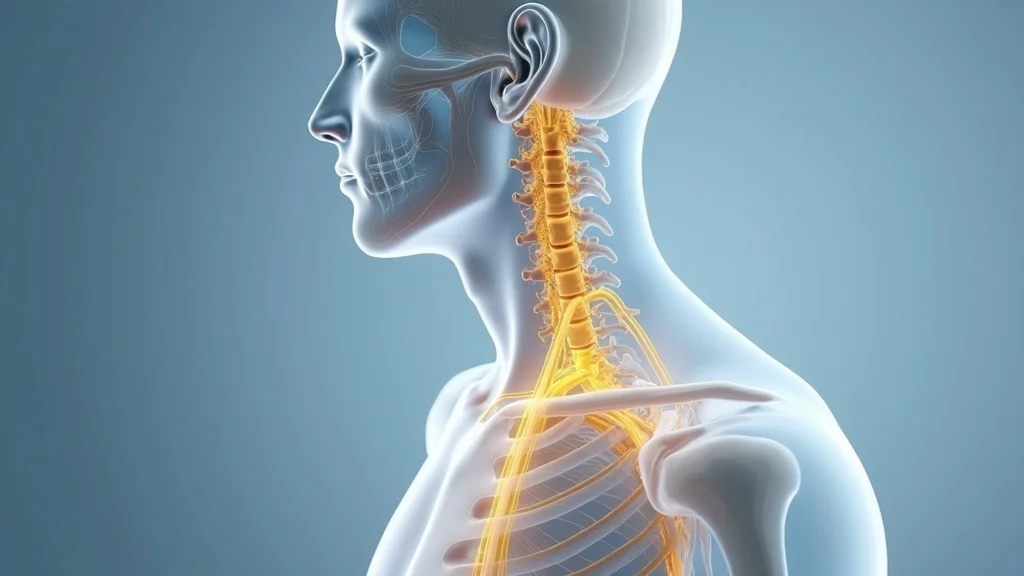
Rest and Digest: How Parasympathetic Nervous System Activation Improves Sleep
When the parasympathetic nervous system is activated, your body enters a 'rest and digest' mode that readies you both physically and mentally for deep sleep. The benefits ripple outward: your muscles relax, breathing deepens, your mind calms, and the body’s reparative mechanisms quietly go to work. This state is not just the opposite of 'fight or flight'—it’s your foundation for healing, learning, and emotional recovery overnight.
Techniques that reset your nervous system—such as mindful breathing, gentle movement, or vagus nerve stimulation—are proven to increase your capacity for this relaxation response. The result? More nights where you wake up feeling refreshed, with improved mood, cognitive function, and physical resilience. As one sleep health expert put it:
"Sleep is not a luxury—it's a biological necessity. Engaging the parasympathetic nervous system through a nervous system reset readies your body for deep rest and rejuvenation." — Sleep Health Expert
How to Perform a Nervous System Reset for Improved Sleep Quality
Simple Breathing Techniques to Activate a Nervous System Reset
One of the fastest ways to regulate your nervous system and foster sleep is through controlled, diaphragmatic breathing. Slow, deep breaths send a direct signal to the brain that it’s safe to switch gears from alertness to tranquility. Simple techniques, such as inhaling for 4 counts, holding for 4, and exhaling for 6-8 counts, extend your exhale and engage the vagus nerve. Research has shown that these breathing patterns reduce heart rate, improve heart rate variability, and initiate a rapid shift to rest and digest.
Try this before bed: Sit or lie down in a darkened room, place one hand on your belly, and breathe in slowly through your nose. Let your abdomen rise, then exhale even more slowly through your mouth or nose. Aim for 10–15 rounds, focusing on the sensation of relaxation with every breath out. This simple reset can quiet racing thoughts and bring your body into the ideal state for sleep onset.
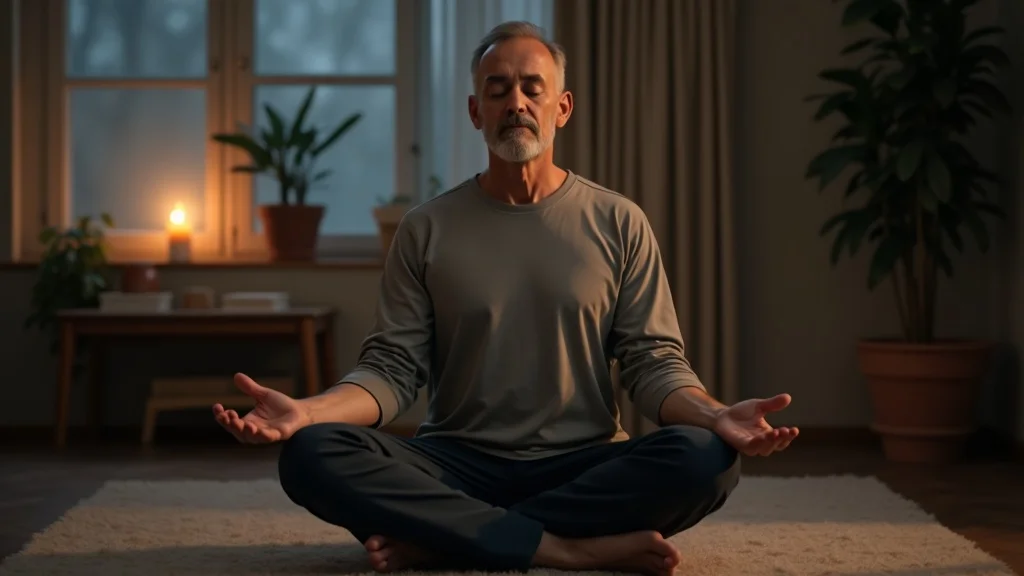
Mindfulness and Body Scanning: Reset Your Nervous System Before Bed
Mindfulness meditation and body scanning are effective for calming your nervous system and breaking free from stressful thought patterns, particularly before bedtime. Through mindful observation of bodily sensations and gentle awareness of breath and surroundings, you signal the brain that it’s safe to release the day’s stress. A body scan involves mentally noting tension or sensation from the crown of your head down to your toes, inviting relaxation into each region as you exhale.
Practicing mindfulness for even 5–10 minutes before bed can minimize sleep-inhibiting worry, promote the relaxation response, and improve subjective measures of sleep quality. Body scanning in particular has been linked to lower anxiety levels and enhanced capacity to fall—and stay—asleep. By making mindfulness a nightly ritual, you reinforce your nervous system’s ability to reset after the pressures of the day, setting the foundation for deeper, more restful sleep.
Gentle Movement and Yoga: Facilitating Parasympathetic Nervous System Response
Gentle movement, such as restorative yoga or light stretching, is an ideal way to promote relaxation and prime your nervous system for sleep. These practices encourage your body to shift into parasympathetic dominance, reducing muscle tension, lowering heart rate, and supporting stress recovery. Postures like child’s pose, forward folds, or gentle twists are especially effective when performed in a calm, dimly lit space during your evening routine.
Spend at least 10–15 minutes on slow movements, focusing on a smooth, steady breath. Couple these stretches with meditative attention to the sensations in your body and the rhythm of your exhalation. Including gentle yoga before bed not only improves flexibility but also deeply calms your nervous system, making it easier to transition into sleep. This forms a powerful bridge from day to night—energizing your ability to rest and repair overnight.

Vagus Nerve Stimulation: Tools and Practices for Nervous System Reset
Direct vagus nerve stimulation is a cornerstone of nervous system reset. Approachable, natural methods—such as humming, chanting, gargling with water, or a splash of cold water on the face—activate the vagus nerve, signaling the transition into rest-and-digest mode. These techniques can be incorporated into your pre-sleep rituals to further enhance relaxation, lower anxiety, and prepare your body for deep, restorative sleep.
Try adding a brief session of humming or gentle vocalization after your breathing practice, or use a cold face cloth to gently awaken the vagus nerve. Some individuals benefit from using specific biofeedback or wearable devices designed to enhance vagal tone, but many will experience profound results with traditional, non-invasive methods. Experiment to find what feels most calming, and use these tools consistently as part of your nightly sleep preparation routine.
Evidence-Based Practices: Cold Exposure, Calm, and Nervous System Regulation
Cold Exposure and the Nervous System: Research Insights
Cold exposure—such as gently splashing cold water on your face—triggers a natural, calming reflex via the trigeminal and vagus nerves. This brief stressor invigorates the system but, paradoxically, activates the body’s calming mechanisms, lowering heart rate and signaling a shift from sympathetic to parasympathetic dominance. Studies highlight that regular, safe cold exposure can enhance vagal tone, improve resilience to stress, and prepare the body for restorative sleep.
Incorporate short, tolerable cold exposure as part of your nightly reset: try 30 seconds of cold water on your face or a cool shower before bed. Even this moderate exposure is enough to increase your ability to ‘switch off’ the fight or flight response, making it easier for your nervous system to accommodate the rhythms of deep sleep.

Gradual System Regulation: Creating Routines for Restful Sleep
Sustainable nervous system regulation is best achieved through daily, predictable routines. The nervous system thrives on cues indicating safety and predictability: dimming the lights in the evening, avoiding screens, and performing the same calming sequence (breathing, stretching, mindfulness) each night can guide your system smoothly into parasympathetic mode. Over time, these habits reinforce your body’s ability to ‘reset’—making high-quality sleep less effortful and more automatic.
Focusing on gradual system regulation not only prepares you for immediate sleep but also rewires your stress response threshold. The more consistently you engage in these healthy rituals, the greater your resilience to stress and the richer your sleep. It’s about training your autonomic nervous system to recognize your ‘reset’ cues and respond with relaxation, night after night.
Chronic Stress: How It Disrupts Nervous System Reset
Chronic stress is a major saboteur of your ability to reset your nervous system. Persistent psychological or physiological stress keeps your sympathetic system locked on, preventing your body from entering crucial recovery and sleep cycles. Symptoms include elevated heart rate, anxiety, digestive issues, and insomnia—all signs that your 'flight mode' is dominating and your sleep may be suffering.
Breaking the cycle requires mindful intervention. By practicing nightly nervous system resets, you gently remind your brain and body how to return to equilibrium. While acute practices (like breathing and cold exposure) can spark immediate calm, addressing chronic stress may require several weeks of consistent regulation routines for sustained, life-changing sleep improvements.
Step-by-Step Nervous System Reset Routines for Bedtime
Prepare your environment for sleep
Practice diaphragmatic breathing exercises
Try gentle yoga or stretching
Engage in brief vagus nerve stimulation (humming, gargling, or cold splash)
Progressive muscle relaxation
Guided mindfulness body scans
Establish a predictable sleep schedule
Supporting Tools: Apps, Wearables, and Guided Videos for Nervous System Reset
Technology can further enhance your nervous system reset strategies. Meditation and breathing apps provide sound-guided exercises for activating the parasympathetic system, while wearable devices offer real-time feedback on heart rate variability and stress levels. Seek out guided yoga or mindfulness videos tailored for sleep routines—they can provide necessary structure and encouragement for beginners and experienced practitioners alike. Remember, the best tools are those you’ll use consistently, helping you build a nightly ritual that teaches your nervous system to embrace rest.
Watch this guided video for a comprehensive, step-by-step routine—combining breathing, gentle yoga, and cold exposure techniques—to reset your nervous system and prepare your body for restorative sleep every night.
Your browser does not support the video tag.
Lifestyle and Daily Habits: Maintain Nervous System Harmony All Day

Nutrition and Nervous System Health
Your daily nutrition plays a subtle but significant role in nervous system regulation. Foods rich in omega-3 fatty acids, magnesium, and antioxidants nurture nerve health and support neurotransmitter balance. Hydration and avoiding heavy meals close to bedtime ease the demands on your digestive and nervous systems, making it easier to switch into recovery mode. Consciously choosing brain- and gut-friendly foods throughout the day encourages consistent sleep quality over the long term.
Regular Physical Activity and Nervous System Adaptation
Regular, moderate exercise is a proven way to catalyze healthy autonomic nervous system function. Activities like walking, swimming, or cycling improve cardiovascular health, reduce chronic stress, and increase your body’s adaptability to both daytime and nighttime stressors. Prioritizing physical activity during daylight hours helps regulate your circadian rhythm and optimizes the nightly nervous system reset when you wind down for sleep.
Digital Detox and Light Exposure: Promote Natural Nervous System Reset
Exposure to natural light during the first part of the day and minimizing blue light from screens in the evening supports your body’s innate rhythm for alertness and rest. Evening screen use disrupts melatonin production and keeps your sympathetic nervous system primed for action, making it harder to access deep sleep. Implementing a ‘digital detox’ an hour before bed enhances your parasympathetic activation, giving your brain and body the right cues to prepare for restful, rejuvenating sleep.
Dive deeper—watch this expert-led video explaining vagal tone, how the vagus nerve impacts both stress relief and sleep, and practical steps you can take to maximize your nervous system’s ability to reset.
Your browser does not support the video tag.
People Also Ask: Nervous System Reset for Better Sleep
How do I reset my parasympathetic nervous system?
Answer: Gentle breathing techniques, mindfulness, and safe cold exposure can help activate a parasympathetic nervous system reset. Focusing on activities that increase vagal tone, such as slow exhalations and yoga, prepares your body for deep, restorative sleep.
How long does a nervous system reset take?
Answer: The time needed for a nervous system reset varies. Some techniques, such as deep breathing or a short mindfulness session, can override sympathetic nervous system activation within minutes. For chronic stress, daily nervous system regulation practices build cumulative benefits over weeks.
How do I reset my vagus nerve naturally?
Answer: Natural vagus nerve stimulation includes humming, chanting, gargling, and splashing the face with cold water. These non-invasive nerve stimulation techniques support a nervous system reset and improve vagal tone, promoting better sleep.
How to reset nervous system before bed?
Answer: Establishing a calm bedtime ritual—combining slow breathing, gentle movement, and avoiding screens—helps regulate your nervous system and encourages the body’s 'rest and digest' state, setting the stage for better sleep.
Frequently Asked Questions: Nervous System Reset and Sleep Quality
Can nervous system reset really cure insomnia?
What are the signs your body needs a nervous system reset?
Should you consult a specialist before trying cold exposure?
Are there risks to overusing nervous system reset practices?
How do I know if my vagal tone has improved?
Key Takeaways: Achieving Optimal Sleep Through Nervous System Reset
Understanding your nervous system is essential for quality sleep
Parasympathetic activation is the gateway to deep, restorative rest
Simple daily practices can support your nervous system reset
Consistency leads to better vagal tone and long-term sleep improvement
Ready to Transform Your Sleep? Start a Nervous System Reset Routine Tonight
Take action now—tonight is the perfect time to begin your nervous system reset for high-quality, truly restorative sleep. Start with one simple routine and build your pathway to deep rest, resilience, and rejuvenation.
Sources
National Institutes of Health – https://www.ncbi.nlm.nih.gov/pmc/articles/PMC6779597/
Cleveland Clinic – https://health.clevelandclinic.org/ways-to-calm-your-nervous-system/
Medical News Today – https://www.medicalnewstoday.com/articles/vagus-nerve-stimulation
PsychCentral – https://psychcentral.com/health/ways-to-stimulate-your-vagus-nerve





Write A Comment