

"Over 88 million people worldwide have started to embrace a plant-based diet as awareness grows regarding health, the environment, and animal welfare."
What You'll Learn About Planning a Plant-Based Diet
Critical beginner tips for planning a plant-based diet
Key vegan food groups to incorporate
How a vegan diet impacts gut health and overall well-being
Actionable steps to start your journey
1. Understanding the Basics of Planning a Plant-Based Diet
Why Million People Are Choosing a Vegan Diet
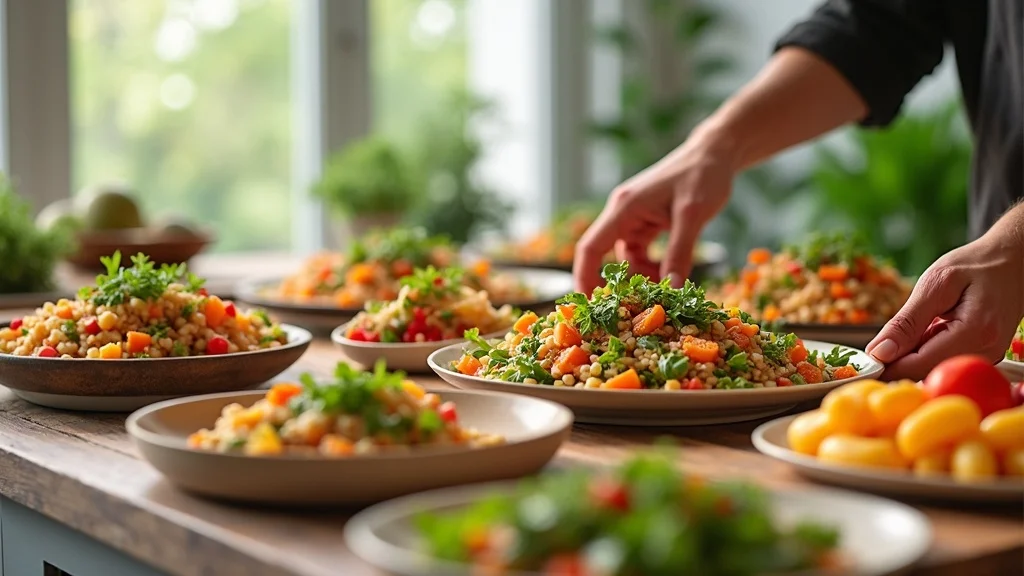
As million people globally commit to plant-based living, the shift isn't just about personal health—it mirrors a response to growing concerns over the food system, chronic disease, and the impact of animal agriculture. For many, planning a plant-based diet offers a meaningful reduction in the risk of heart disease, weight loss support, and the chance to lower exposure to saturated fat found in traditional animal products. Adopting a vegan diet often leads to increased energy, improved gut health, and a diverse intake of vitamins, minerals, and fiber from a variety of plant foods. The stories of these million people highlight how plant-based changes align with a personal pursuit of vitality, ethical food choices, and environmental stewardship.
How the Food System Influences Your Choices
The food system—from farm to grocery store—shapes what foods are readily available, affordable, and familiar. Mass production, factory farming, and consumer demand often drive the presence of heavily processed options and animal products in stores. However, there’s good news: increased interest in plant foods and vegan food is encouraging food and beverage companies to innovate, making plant-based options more widely accessible. Understanding how these food systems work helps you make smarter choices for health and sustainability. Opting for minimally processed plant foods, checking ingredient lists for clean labels or hidden additives, and learning about locally grown produce all support the goals of a resilient, health-driven diet. Ultimately, the food system is slowly changing—because of motivated consumers like you.
2. Begin with Small Steps: Gradually Reducing Animal Products
Simple Swaps for Vegan Food and Taste and Texture Satisfaction
Transitioning to a vegan diet doesn't have to be overwhelming. Begin by making small, manageable swaps in your daily meals. For instance, substitute cow’s milk with plant-based alternatives like oat, almond, or soy milk. Swap ground beef for lentils or tofu in your favorite dishes. These easy changes help maintain taste and texture satisfaction while steadily reducing your reliance on animal products. Experimenting with vegan versions of familiar comfort foods can make the process both enjoyable and sustainable. Items like veggie burgers, jackfruit tacos, or vegan cheeses mimic the flavors and “mouthfeel” of traditional dishes, making the shift less intimidating. Gradual adaptation allows your palate and gut to adjust to increased fiber and the unique qualities of plant-based foods, supporting healthy digestion from the start.

3. Make Plants the Star: Filling Your Plate with Variety
Exploring Key Vegan Food Groups
Centering your meals around plant foods creates both variety and nutritional balance. To ensure you’re meeting dietary needs and maximizing taste, fill your plate with an array of colors and textures: leafy greens, whole grains, legumes, fruits, nuts, seeds, and vegan “dairy” products. This approach not only supports gut health by providing prebiotics and fiber but also satisfies your desire for fullness and flavor. Consistency is key. Mixing ingredients from different food groups—such as combining brown rice, black beans, sweet potatoes, and roasted veggies—offers a spectrum of vitamins, minerals, and plant-based protein. By rotating ingredients, you increase your exposure to antioxidants and prevent meal fatigue. A diet full of plant foods is both delicious and visually inviting!
Essential Plant-Based Food Groups |
||||||
Proteins |
Whole Grains |
Fruits |
Vegetables |
Healthy Fats |
Vegan Dairy |
Legumes |
|---|---|---|---|---|---|---|
Tofu, Tempeh, Lentils |
Quinoa, Brown Rice, Oats |
Berries, Citrus, Apples |
Kale, Spinach, Broccoli |
Avocado, Nuts, Seeds |
Plant Yogurt, Vegan Cheese |
Chickpeas, Black Beans, Peas |
4. Prioritize Gut Health When Planning a Plant-Based Diet
Optimal Fiber Sources and Probiotic-Rich Vegan Foods
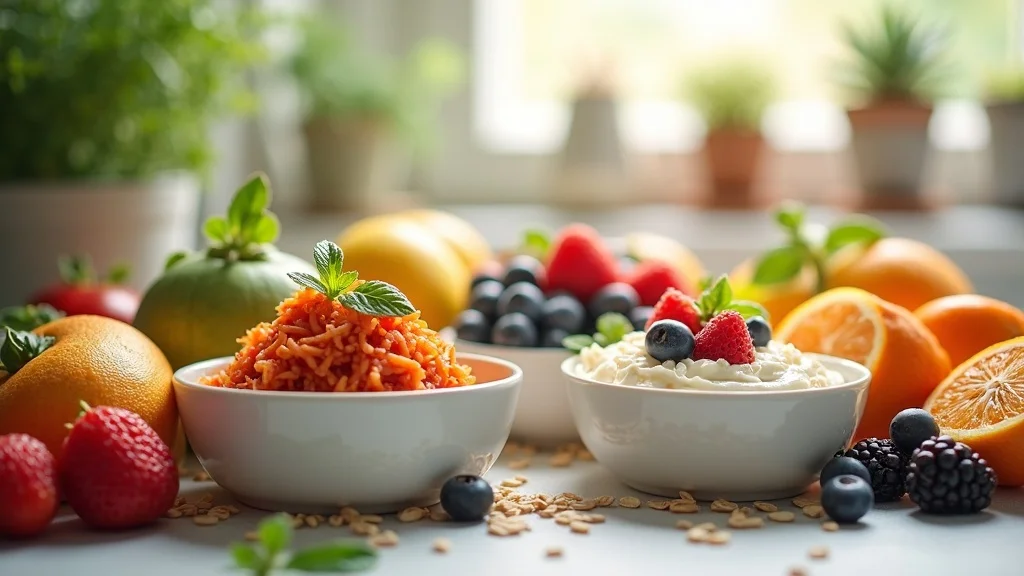
One of the most transformational benefits of planning a plant-based diet is its positive impact on gut health. Whole plant foods—packed with fiber—feed beneficial gut bacteria, supporting a healthy microbiome that’s linked not only to digestion but also to immune strength and even brain health. High-fiber foods such as oats, beans, lentils, flaxseed, berries, and whole wheat pasta deliver both soluble and insoluble fiber that keeps your digestive system humming smoothly. To further improve gut health, include probiotic-rich vegan foods like sauerkraut, kimchi, miso, tempeh, and plant-based yogurt. These foods introduce live beneficial bacteria, aiding in digestion and absorption. As you increase your intake of these gut-friendly foods, you may notice tangible improvements in energy, regularity, skin clarity, and even mood. Remember, supporting healthy digestion can be as simple as building meals around a range of fiber-dense and fermented plant foods.
5. Tackle Common Challenges in the Vegan Diet Transition
Navigating Social Events and Eating Out
Navigating a vegan diet outside your home may seem tricky at first. Social events, restaurants, and gatherings often center on traditional food choices, but with preparation, you can thrive in these settings. Start by checking menus ahead and seeking out vegan food options at restaurants. Many places now offer dedicated plant-based dishes due to increasing consumer demand and the growing number of million people adopting a vegan diet. If you’re invited to a gathering, consider bringing a shareable vegan dish. This guarantees there’s something suitable for you and introduces others to tasty plant foods. Don’t hesitate to communicate your dietary needs and ask about ingredient lists. Over time, these strategies will help you navigate any event with confidence and ease, strengthening your resolve and inspiring those around you.
6. Protein Power: Ensuring Adequate Protein Intake
Best Vegan Food Sources for Protein
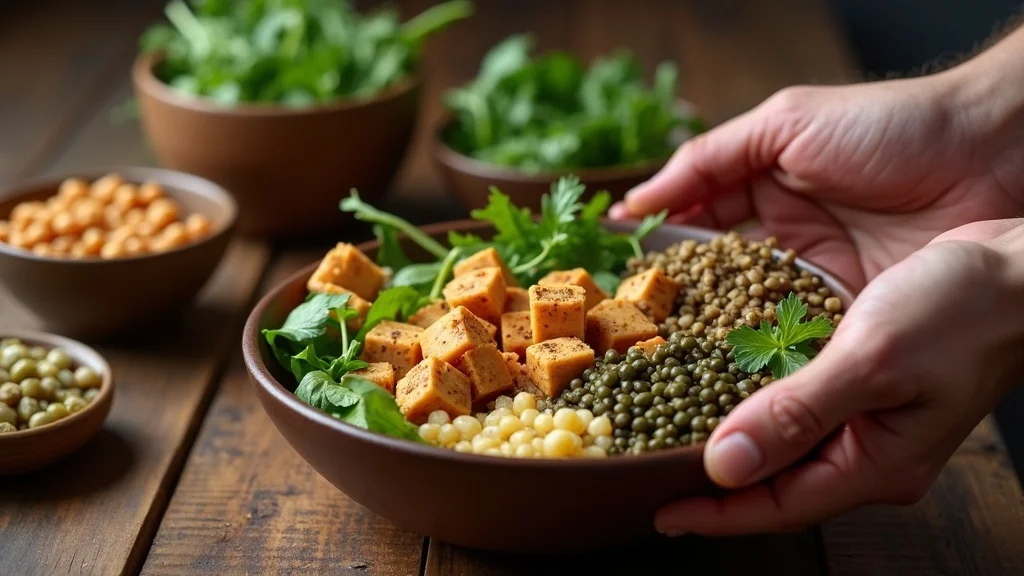
Ensuring adequate protein is a common concern when planning a plant-based diet, but a wide range of vegan foods provide excellent protein sources. Beans, lentils, tofu, tempeh, quinoa, peas, hemp seeds, and soy products all offer substantial plant-based protein. Incorporate a variety of these into your meals to meet your daily needs, support healthy muscles, and maintain energy. For optimal benefit, aim to include at least one plant protein source in every meal. Rotate your choices for balanced amino acid intake and added meal variety. Mixing legumes with whole grains—such as black bean tacos on corn tortillas or chickpea curry with brown rice—creates a complete protein profile. Mindful planning ensures robust nutrition and removes the guesswork from your vegan journey.
"Planning a plant-based diet should include at least one major source of plant protein per meal to maintain energy and muscle mass."
7. Nutrient Checklist for a Balanced Vegan Diet
Key Vitamins and Minerals to Watch For
While a vegan diet is rich in many essential nutrients, certain vitamins and minerals require closer attention due to their prevalence in animal products or reduced bioavailability in plants. By monitoring your intake of the following nutrients, you can support healthy body systems, from brain health and energy production to strong bones and immunity. Here are the top micronutrients to watch and include:
Vitamin B12: Essential for nerve health and energy. Use fortified foods or supplements.
Iron: Found in lentils, beans, spinach. Consume with vitamin C-rich foods for better absorption.
Calcium: Opt for plant milks and leafy greens.
Omega-3 fatty acids: Flaxseed, chia seeds, walnuts, and algae-based supplements.
Vitamin D: Fortified foods or sunlight exposure.
Zinc: Beans, nuts, seeds, and whole grains.
Tracking these nutrients ensures a balanced approach, guards against deficiencies, and keeps your clean label approach in check by relying on whole, minimally processed plant foods and quality supplements as needed.
8. How to Read Vegan Food Labels and Ingredients
As plant-based options surge, it’s crucial to develop the skill of reading labels and ingredient lists. Many packaged vegan products may contain added sugars, oils, or hidden animal-derived ingredients under unfamiliar names. Always scan ingredient lists for common non-vegan additives like honey, gelatin, or casein. Look for clean label products with simple, recognizable ingredients, and seek out items labeled “certified vegan. ” This ensures the food aligns with your health goals and ethical standards. Remember that the fewer ingredients on the list—and the more you recognize—the better for both gut health and minimizing processed food intake.
Watch: Short explainer on checking product labels for hidden animal products.
9. Meal Planning and Prepping Vegan Food
Batch Cooking Basics for the Busy Lifestyle
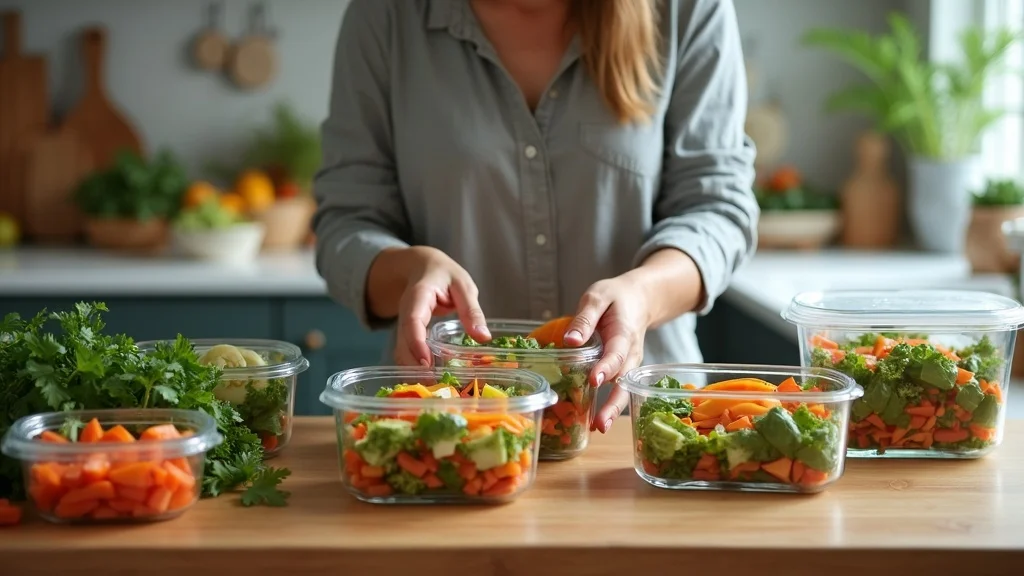
Consistent meal prep is a key strategy when you start planning a plant-based diet, especially with a busy schedule. Batch cooking lets you prepare and portion out meals ahead of time, helping you avoid the urge for less-healthy, processed choices. Cook large batches of grains, beans, and roasted vegetables, store them in reusable containers, and mix and match throughout the week. Consider prepping versatile sauces and dressings that bring unity and excitement to your meals. This approach minimizes food waste, ensures nutritional balance, and keeps you motivated even on hectic days. The habit of thoughtful meal planning is a cornerstone for anyone starting or sustaining a successful vegan lifestyle.
10. Vegan Diet and the Impact on the Food System
Sustainability Benefits and Challenges
Planning a plant-based diet contributes directly to a more sustainable food system. Diets centered on plant foods consume fewer natural resources, decrease greenhouse gas emissions, and reduce pressure on land compared to diets high in animal products. The collective action of millions embracing plant-based eating helps push the food and beverage industry toward alternatives that align with environmental goals. However, challenges remain. Mass food production, invasive monocropping, and global transportation can also impact sustainability. Strive for local produce, seasonal foods, and minimal packaging when possible. Your choices as a consumer signal demand for better food systems—both at the grocery store and beyond—helping improve the planet one meal at a time.
11. Dealing with Factory Farming and Ethical Food Choices
Aligning Your Vegan Diet with Personal Ethics
Many people are inspired to begin planning a plant-based diet because of ethical concerns about factory farming, animal welfare, and the food system’s environmental impact. By choosing plant foods, you actively distance yourself from industries linked to intensive animal agriculture and its associated challenges, such as pollution, deforestation, and greenhouse gas emissions. Ethical eating also involves transparency—choosing brands that support fair labor, humane farming, and sustainable sourcing. Reading ingredient lists, supporting small and local producers, and refusing heavily processed vegan products with questionable origins all help you fully align your diet with your values. Every meal becomes a statement on what you stand for.
12. Balancing Taste and Texture in Vegan Food
Creative Cooking Techniques for Rich Flavors
Achieving deep, satisfying flavors and textures is one of the joys of modern vegan cooking. Techniques like roasting, grilling, sautéing, fermenting, and even smoking can transform simple plant foods into meals that are anything but bland. Layering spices, using umami-rich ingredients like mushrooms, tomatoes, and nutritional yeast, and experimenting with marinades can deliver complex tastes usually associated with animal-based dishes. Balancing bite and chew—through varied grains, legumes, nuts, and textured vegetable protein—means every dish feels hearty and fulfilling. The innovation in vegan sauces and techniques ensures your taste buds remain excited while you meet your nutritional goals. This creative, experimental approach is what makes plant-based cooking both rewarding and fun.
Watch: Recipe demo: Achieving satisfying taste and texture with plant-based ingredients.
13. Joining the Community: How Million People Thrive on a Vegan Diet
Support, Resources, and Inspiration
You don’t have to make this journey alone. With millions worldwide embracing plant-based living, there are thriving communities both online and locally ready to support your efforts. Peer support groups, vegan cooking classes, social media challenges, and meetups all offer shared recipes, encouragement, and answers to common questions. Tapping into these resources increases your confidence, introduces you to new products and plant foods, and offers inspiration to keep going when motivation dips. The combined wisdom, tips, and stories of others ensure your transition is more enjoyable, less daunting, and genuinely connected to a global movement focused on well-being and positive change.

14. Frequently Asked Questions on Planning a Plant-Based Diet
What foods do you avoid on a vegan diet?
A vegan diet strictly avoids all animal products, including meat, dairy, eggs, honey, and foods containing gelatin, casein, or other animal-derived ingredients. It focuses on plants, legumes, grains, fruits, vegetables, nuts, seeds, and vegan food products.
How do you eat enough protein and nutrients plant-based?
By including a variety of protein-rich plant foods such as beans, lentils, tofu, tempeh, and whole grains, you can easily meet protein requirements. Balance your meals with leafy greens, vegetables, fruits, nuts, and fortified vegan products to ensure all essential nutrients are covered.
Can planning a plant-based diet help with gut health?
Absolutely. Diets rich in plant foods promote the growth of healthy gut bacteria due to their fiber, prebiotics, and occasional probiotics from fermented vegan foods. This fosters optimal gut health, improves digestion, and supports overall wellness.
Is it expensive to start a vegan diet?
Plant-based staples like beans, rice, oats, and seasonal produce are typically affordable and available at most grocery stores. While some vegan specialty products may be priced higher, a whole-foods vegan diet can be cost-effective.
How do I deal with cravings for non-vegan food?
Address cravings by finding vegan versions of your favorite comfort foods. Over time, your palate adapts, and many plant-based dishes offer similar taste and texture while being healthier and more sustainable.
15. Key Takeaways for Successfully Planning a Plant-Based Diet
Start with small, sustainable changes
Center each meal on a plant-based food group
Be proactive about balancing nutrients
Emphasize gut health, taste, and texture
Ready to Start Planning Your Own Plant-Based Diet? Explore Expert Tips, Starter Recipes, and More Today!
Conclusion: Transforming Your Eating Habits for Health and the Planet
With practical steps and community support, planning a plant-based diet can truly reshape your health, well-being, and environmental impact. Start today—your plate and the planet will thank you!




Write A Comment